Scarborough Top Wildlife Removal for Effective Animal Management
Scarborough Top Wildlife Removal for Effective Animal Management
Blog Article
Expert Removal Services for Creatures and Wildlife: Keep Your Property Secure
Expert elimination solutions for animals and wildlife are crucial in safeguarding properties. These experts tackle various issues linked to wildlife intrusions, from building deterioration to safety concerns. Comprehending the habits of common intruders can help with preventative measures. Yet, many property owners remain ignorant of the indicators that indicate a problem. Which signs should you notice when considering the need for expert assistance? that point to a problem. What warning signs should you identify when evaluating the need for professional intervention?|Seasoned elimination solutions for creatures and fauna prove indispensable in safeguarding properties. These professionals address various concerns caused by animal invasions, encompassing building deterioration to safety hazards. Grasping the behaviors of frequent invaders contributes to preventative practices. Still, a number of homeowners remain unaware of the signs that demonstrate a problem. What should you observe when considering the need for expert services?
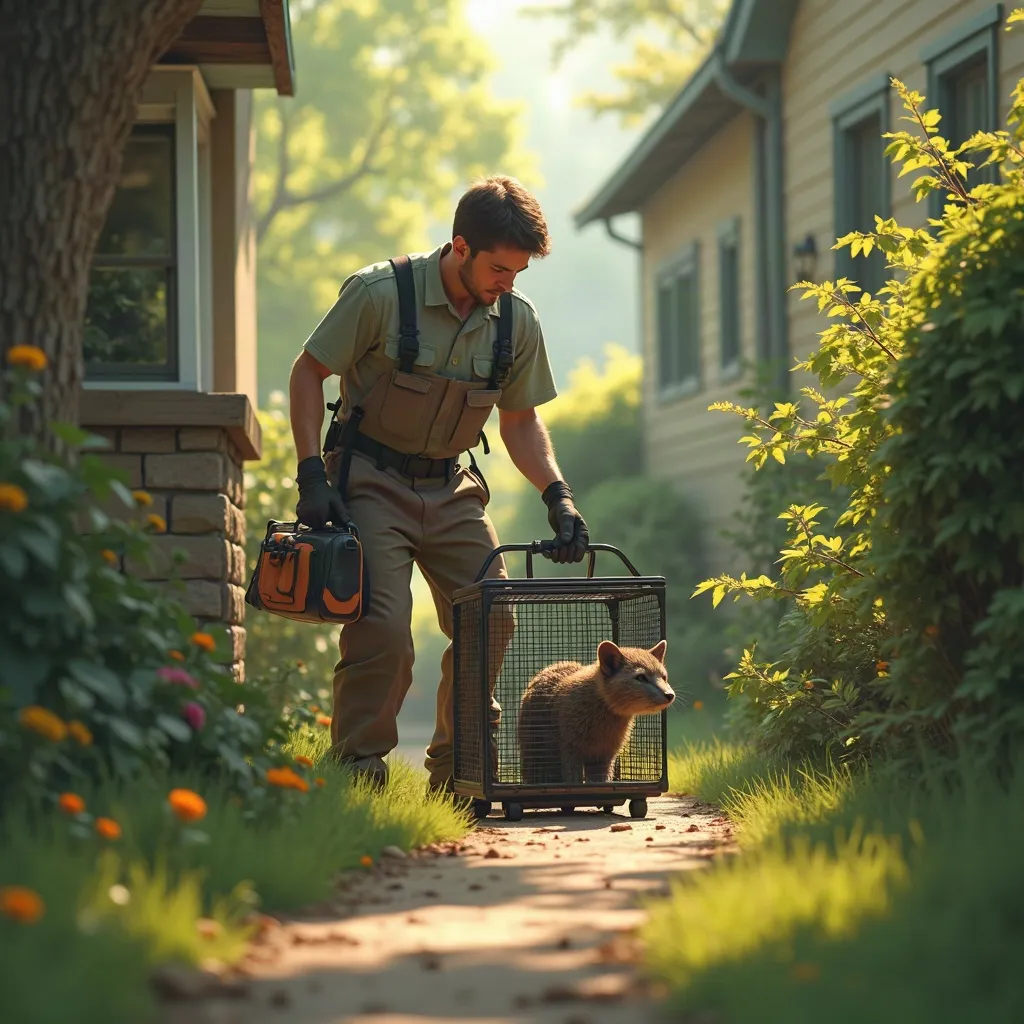
Understanding the Impact of Wildlife on Your Land
Wildlife can greatly alter the stability of a property, often causing unfamiliar problems. The presence of different animals can damage ecosystems, impacting both flora and fauna. For property owners, this interference may appear as structural damage, particularly if animals excavate or settle in unsuitable areas. Additionally, wildlife can transmit diseases, creating health hazards to humans and domestic pets alike.
The repercussion extends beyond structural deterioration; animal engagement can also lead to substantial fiscal outcomes. Vegetation harm and contamination of food sources can burden agricultural properties, while urban environments may endure increased maintenance costs due to fauna-related predicaments. Understanding these conceivable consequences is paramount for property owners, as anticipatory measures can mitigate risks. By recognizing the signals of wildlife presence and their probable ramifications, individuals can more strategically fortify themselves to safeguard their properties and maintain a harmonious environment.
Ordinary Animal Invaders and Their Behavioral Patterns
Numerous animals commonly infiltrate residences, each exhibiting distinct behaviors that can produce significant troubles for property owners. Rodents, such as mice and rats, are celebrated for their nesting habits, often searching for shelter in basements or attics. They can eat through through wires, insulation, and even food packaging, presenting health risks and property damage. Raccoons, attracted to garbage and pet food, are capable climbers and can without difficulty access roofs and attics, creating messes and potential entry points for further infestations.
Squirrels, while seemingly harmless, can result in significant property destruction by gnawing on wood and wiring. Opossums, frequently misjudged, may invade spaces looking for sustenance but can also attract predators. Finally, skunks pose a unique challenge, as their strong odor can permeate properties when they feel threatened. Understanding these intruders' behaviors is crucial to avoiding possible structural harm and safety risks.
Prompt Responses for Wildlife Intrusions
When animal invasions happen, identifying the indicators is crucial for a timely response. Immediate identification of these signs can enable effective emergency removal procedures. Quick intervention not only ensures safety but also prevents further damage to property.
Detect Animal Intrusion Clues
How might homeowners swiftly recognize clues of wildlife intrusion? Identifying early signs is crucial for maintaining property safety. Common signs include unusual noises, such as scraping or rustling noises, often heard at night. Property owners should also check for droppings, which differ according to species but signal recent presence. Chewed wires, insulation, or food packages may signal a rodent or raccoon presence. Tracks or paw prints near openings can reveal the species of animal that is entering. Strange holes or burrows near the yard or foundation serve as red flags. Damaged plants or disturbed nesting materials might signify wildlife is establishing itself at home. Timely recognition helps with quick action and prevention.
Critical Removal Guidelines
Action that is essential is needed when dealing with wildlife invasions to minimize potential damage and ensure safety. Homeowners should first assess the situation, verifying that all occupants are secure and away from the intrusion area. It is important to determine the animal species involved, as this can influence the removal strategy. For immediate solutions, individuals should seal access points to prevent further access and establish a safe space. Contacting professional wildlife removal companies is strongly advised, as trained experts can handle the situation efficiently and compassionately. They have the required equipment and knowledge to safely remove the animal while adhering to local animal protection laws. Prompt intervention not only safeguards your home but also assures the welfare of both humans and animals involved.
Humane Animal Removal Methods Explained
While animals can regularly pose problems, reliable and compassionate methods for removal prioritize the safety of all living beings. These strategies emphasize kind approaches, ensuring that animals are relocated without harm. Typical approaches include the use of live traps, which ensnare the creature without hurt, allowing protected relocation to a suitable habitat removed from people's residences.
Exclusion methods are also crucial; these involve sealing entry points and removing attractants, rendering properties less appealing to animals. Additionally, environmental alteration can deter animals from occupying undesired areas.
Professional wildlife removal services frequently utilize trained specialists who understand animal behavior, enabling them to use the most appropriate and ethical removal methods. By opting for humane approaches, property owners not only comply with legal regulations but also contribute to the conservation of local ecosystems, promoting a balanced harmony between humans and wildlife.
Clues That You Should Retain a Wildlife Removal Professional
Assessing when to retain a wildlife control expert is indispensable for protecting your household safety. Red flags including unusual evening noises, recognizable property harm, and wildlife spotted nearby may suggest an pressing demand for skilled assistance. Acting on these indicators without hesitation can prevent future damage and confirm the protection of residents and animals.
Peculiar Sounds After Dark
What could be causing those unusual sounds sounding throughout the night? Homeowners often hear scratching, scurrying, or even vocalizations that point toward wildlife activity. These sounds may show the presence of raccoons, squirrels, or other nocturnal animals seeking shelter or food. Such disturbances can escalate quickly, with animals possibly dealing damage or entering living spaces. Overlooking these signs can lead to more significant issues, including health risks and property damage. similar article A pest control professional can identify the source of the noises and humanely move the animals, confirming the home remains secure. Prompt action is essential for sustaining a peaceful living environment, making it vital to consult professionals when unusual night sounds persist.
Apparent Animal Defacement
Visible animal damage frequently acts as a clear sign that professional wildlife removal services are required. Homeowners should be attentive for signs like gnawed wood, torn insulation, or damaged wiring, which may compromise structural stability and pose fire risks. Moreover, damaged landscaping, such as displaced flora or burrows, might indicate that wildlife is seeking nourishment or shelter. Roof damage, including missing shingles or holes, can reveal points of entry for animals. These visible signs not only suggest possible infestations but also emphasize the need for immediate action. Promptly addressing these problems can prevent additional damage and protect the property, making it important to consult professionals in wildlife removal when such indicators appear.
Spotting in the vicinity of Property
Seeing wildlife by a property often signals a problem requiring prompt attention. The sightings may suggest creatures seek shelter or food, which risks leading to infestations. Common signs feature raccoons rummaging in trash, deer grazing by gardens, or squirrels nesting in attics. These behaviors threaten property integrity and can transmit diseases creating health risks for residents. Furthermore, nocturnal animals may grow bold and move closer to human activity. Noticing the signs is crucial; calling a wildlife removal expert delivers safety plus effective resolution. Early intervention avoids major issues and guards the property from costly damages.
Tips for Choosing the Ideal Wildlife Removal Service
Determining the ideal animal control company can be a tough undertaking, especially for those unfamiliar with the intricacies of animal control. First, it is essential to verify the company's qualifications, including permits and certifications. This guarantees that the service complies with local regulations and recruits qualified professionals.
Next, one should examine the approaches implemented in extraction. Responsible methods, such as humane trapping and relocation, should be given priority. Inquiring into the company's background with targeted wildlife issues can also supply insight into their proficiency.
In addition, examining customer reviews and testimonials can help determine the company's standing and results. Clarity about pricing and procedures is crucial; a reliable company should deliver a comprehensive quote before undertaking any project.
To sum up, a reliable wildlife removal service will present follow-up consultations to establish the problem is resolved, demonstrating a commitment to long-term solutions.
Approaches to Block Fauna Breaches
To minimize wildlife entries, homeowners need to take preventive actions that discourage animals from entering their properties. The first measure is sealing all gaps found in foundations, walls, and roofs, since even small gaps can serve as openings for numerous beasts. Next, keeping a clean yard clear of food sources, including pet food and fallen fruit, can cut down on potential attractants. Additionally, garbage should be kept in secure containers to reduce odors that may entice wildlife. The installation of motion-activated lights and fencing can more boost security by making the area less inviting. Finally, regularly trimming trees and shrubs deters animals from nesting nearby. Implementing these tactics allows homeowners to effectively lower the risk of wildlife intrusions, keeping their living space safer and stable.
Regularly Posed Questions
What Are the Legal Regulations for Wildlife Removal in My Area?
Legal requirements for wildlife elimination vary by region, often necessitating licenses and adherence to ethical practices. Individuals should consult local wildlife agencies or legal resources to ensure compliance with applicable laws and guidelines in their area.
What Do Expert Moving Services Usually Cost At?
Professional animal control services typically price between $100 to $500, depending on elements such as the type of animal, location, and the complexity of the situation. Supplementary costs may accrue for subsequent appointments or preventative measures.
Can I Execute Wildlife Control Myself Without Risk?
While some people try DIY wildlife removal, it often poses dangerous hazards and regulatory problems. Expert companies ensure humane handling and adherence to legal requirements, making them a safer and more efficient option for managing wildlife encounters.
How do the Animals Do After Relocation?
Once displacement occurs, animals are typically repositioned to suitable habitats or rehabilitation centers. This guarantees their safety and welfare, allowing them to adapt back into the wild while curtailing potential conflicts with humans in the future.
What is the Typical Duration of the Extraction Procedure?
The removal process typically lasts between one to three hours, based on the species involved and the intricacy of the circumstances. Considerations such as location and how accessible the area is also affect the total duration of the operation.
Report this page